Skip to Content
Columbia Academy for Learning Excellence logo with text

What is a Microschool?
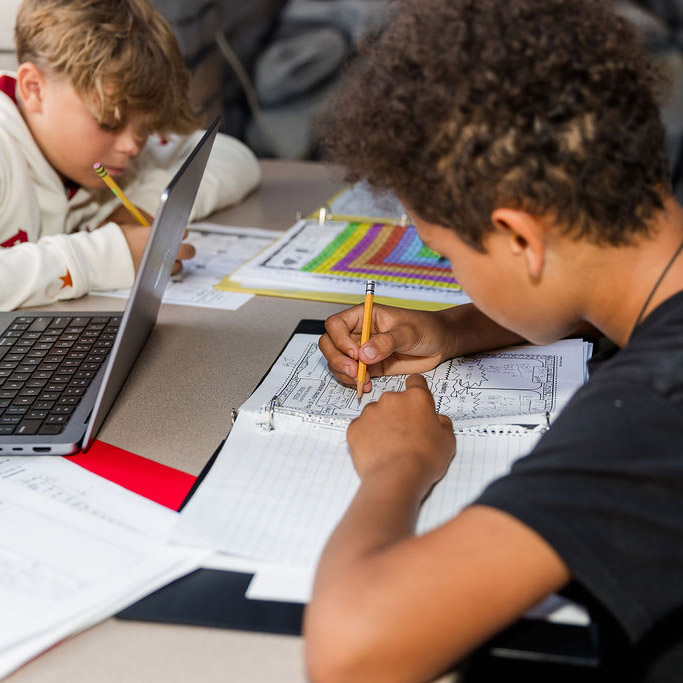
Students working on classwork in the common area

School that fits your child.

A microschool isn’t just a different type of school, it’s a different way of thinking about learning. Traditional school models were built for a world that looks very different from the one our children are growing up in. That’s why we offer a personalized, flexible learning environment where students aren’t bound by rigid grade levels or one-size-fits-all pacing.

As Missouri Field Coordinator for the National Microschooling Center, Dr. Jill Brown works at the intersection of policy, innovation, and practice. She monitors state policy changes impacting education, connects leaders across Missouri who are reimagining learning, and supports founders at every stage, from early exploration to long-established programs. Nationally, she assists microschools and hybrid learning centers in implementing structured literacy to strengthen student outcomes.

In a microschool, students of varying ages learn together, supported in their unique strengths and growth areas.

A question we hear often at CALE is, “What kind of students do microschools serve?” You can read Jill's article further discussing exactly what a microschool is on the National Microschooling Center's website:
Read the Article
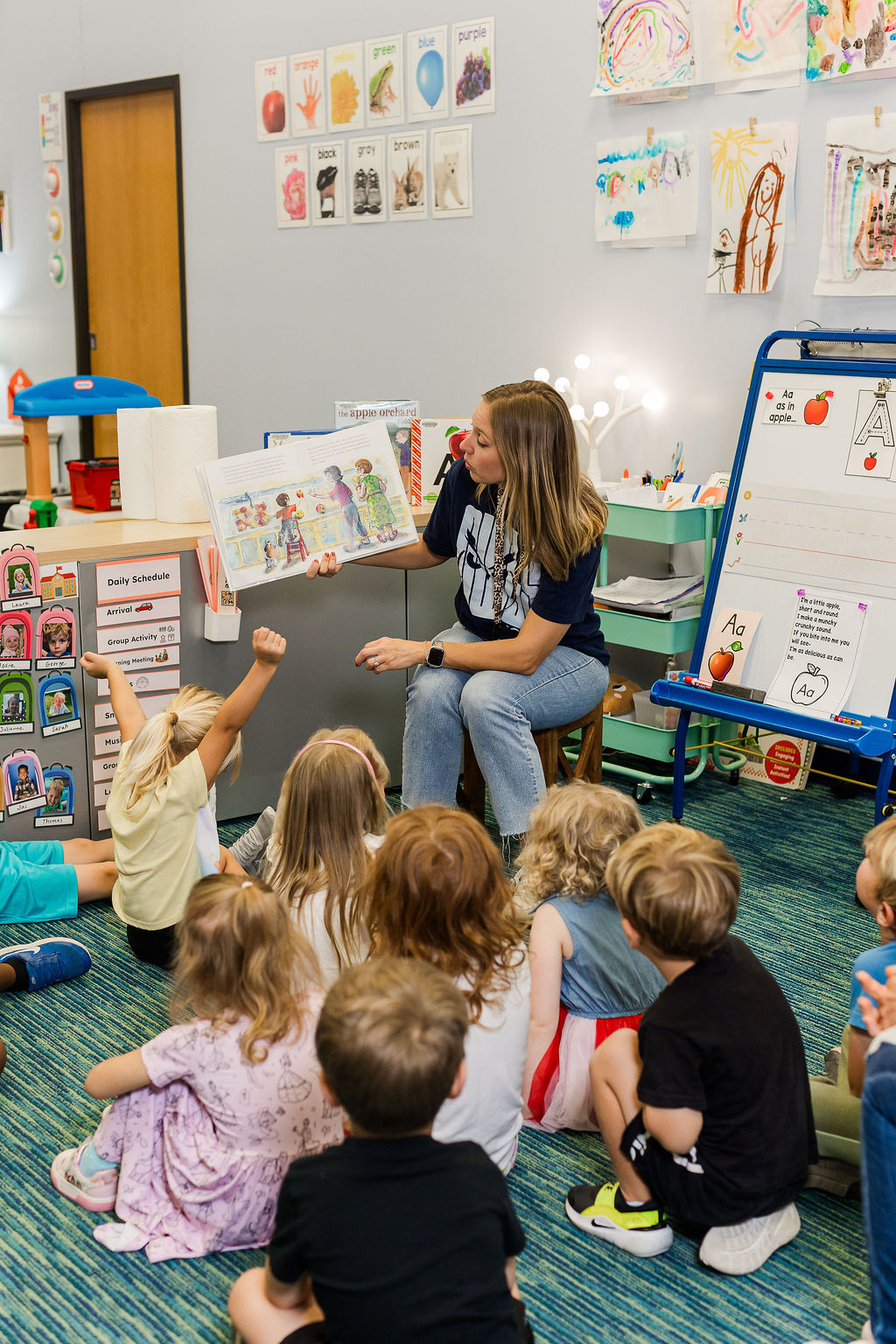
Teacher reading a picture book to a group of young students

Microschools Offer Smaller Class Sizes

One of the most glaring issues in traditional schools is the size of classrooms. In many districts, it’s not unusual for teachers to be responsible for 30 or more students at once, a scenario that limits their ability to give individual attention to students. This issue becomes even more pronounced in schools that serve diverse populations with varying academic needs.

Microschools are designed to keep class sizes small, often consisting of no more than 10 to 15 students. This allows for a more personalized, hands-on approach to teaching and learning. Teachers can address the unique needs of each student, helping them progress at their own pace, while also providing more time for enrichment activities. Smaller class sizes also foster a sense of community and accountability, where students can build deeper relationships with one another and their teachers.

Additionally, this smaller environment makes it easier to incorporate more project-based learning, hands-on experiences, and interdisciplinary activities that engage students in more meaningful ways.

Microschools Embrace Multi-Age Classrooms
Traditional education systems tend to group students strictly by age and grade level, which can be limiting for both students and teachers. This system often assumes that all students within a particular grade level should be at the same academic level, despite individual differences in learning styles, abilities, and interests.

Microschools, on the other hand, often embrace a multi-age model, where students of varying ages and developmental stages learn together in a more fluid, collaborative environment. This approach offers a host of benefits. Younger students can learn from older peers, fostering mentorship and teamwork, while older students can solidify their own learning by teaching and assisting younger students. Additionally, multi-age classrooms cater to a more individualized approach to learning, as students are not expected to learn the same content at the same time, but instead progress at their own pace.

This flexibility enables educators to focus on skill development and mastery, rather than rigid grade-level progression. It also reduces the pressure of standardized testing and allows for a more holistic educational experience.

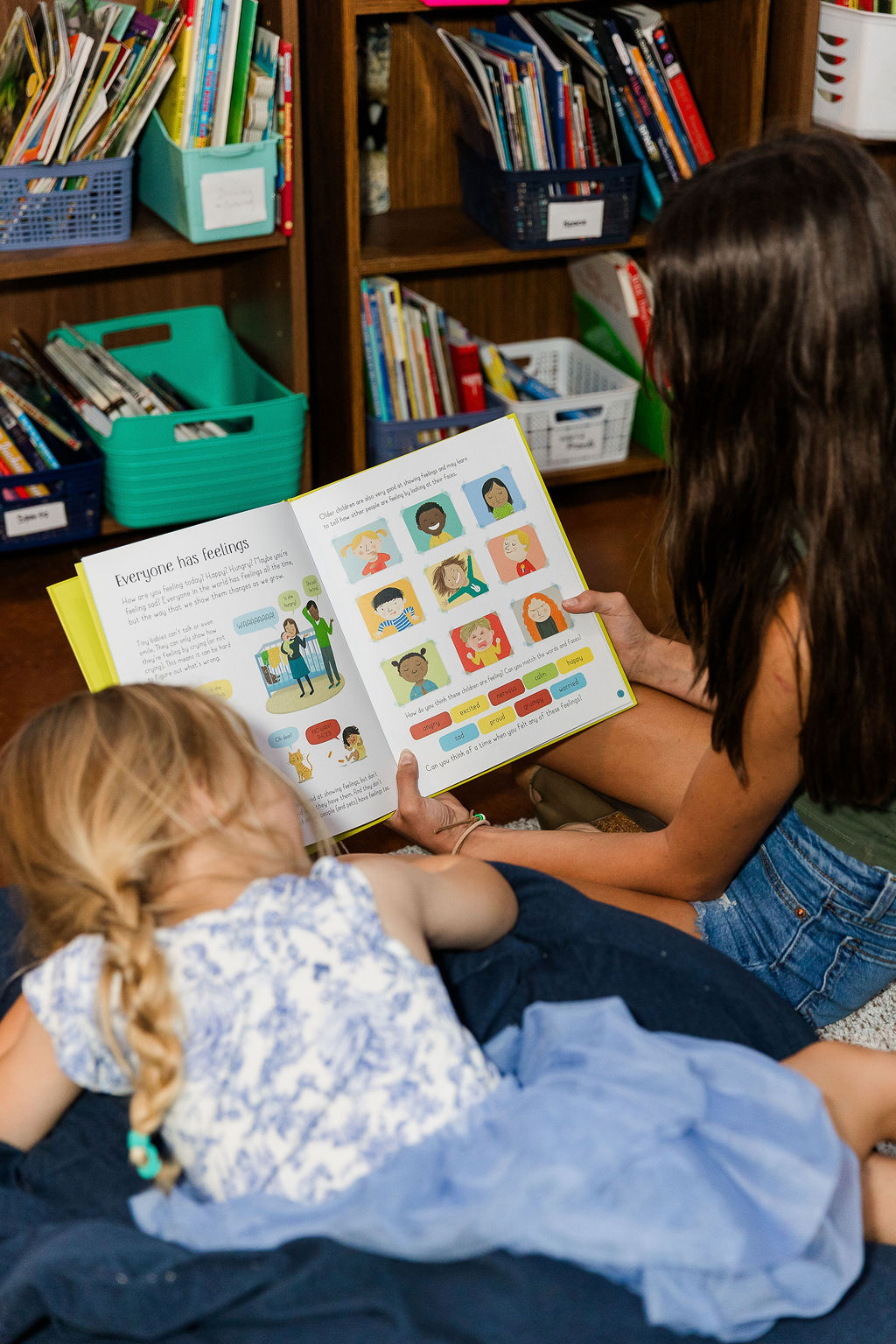
Older student reading a picture book to a younger student in the library
Three teachers chatting during recess

Microschools Provide Better Support for Teachers

Staff turnover in traditional schools is a persistent issue, leading to a lack of consistency in students’ learning experiences. Studies show that teacher burnout, large class sizes, and insufficient support are major contributors to this turnover. In microschools, the smaller, more intimate environment enables teachers to have more meaningful relationships with students and with one another.

In a microschool setting, educators often have the opportunity to focus on smaller groups of students, creating a more manageable workload and offering a greater sense of community and fulfillment for teachers and students. Teachers are not bogged down by bureaucratic pressures, giving them more autonomy and the ability to shape the curriculum based on their students’ needs. The sense of belonging, reduced stress, and professional autonomy in microschools may not only increase job satisfaction, but also significantly lower turnover rates.

Traditional schools often face challenges in providing consistent and high-quality professional development for their teachers. With large districts and limited budgets, training sessions can be impersonal, one-size-fits-all, and disconnected from teachers’ immediate needs. In contrast, microschools provide a setting where professional development can be highly tailored and relevant.

Because microschools typically operate with smaller teams, professional development can be an ongoing and collaborative process. Teachers can share best practices, receive immediate feedback from colleagues, and engage in regular, focused training sessions that meet the needs of the specific student population they serve. The flexibility of microschools allows teachers to explore innovative teaching techniques without the pressure of conforming to a rigid district-wide curriculum. As a result, teachers are better equipped to meet the needs of their students, which directly translates into a better educational experience for everyone involved.

It's School... But Different!

Schedule a tour to discover the CALE difference that helps students become critical thinkers and problem solvers, not just test-takers.
Student reading Tornado book in class
Group of kids playing together outside during recess
Older students studying together
Kids sitting together at a table with their hands raised during school lunch